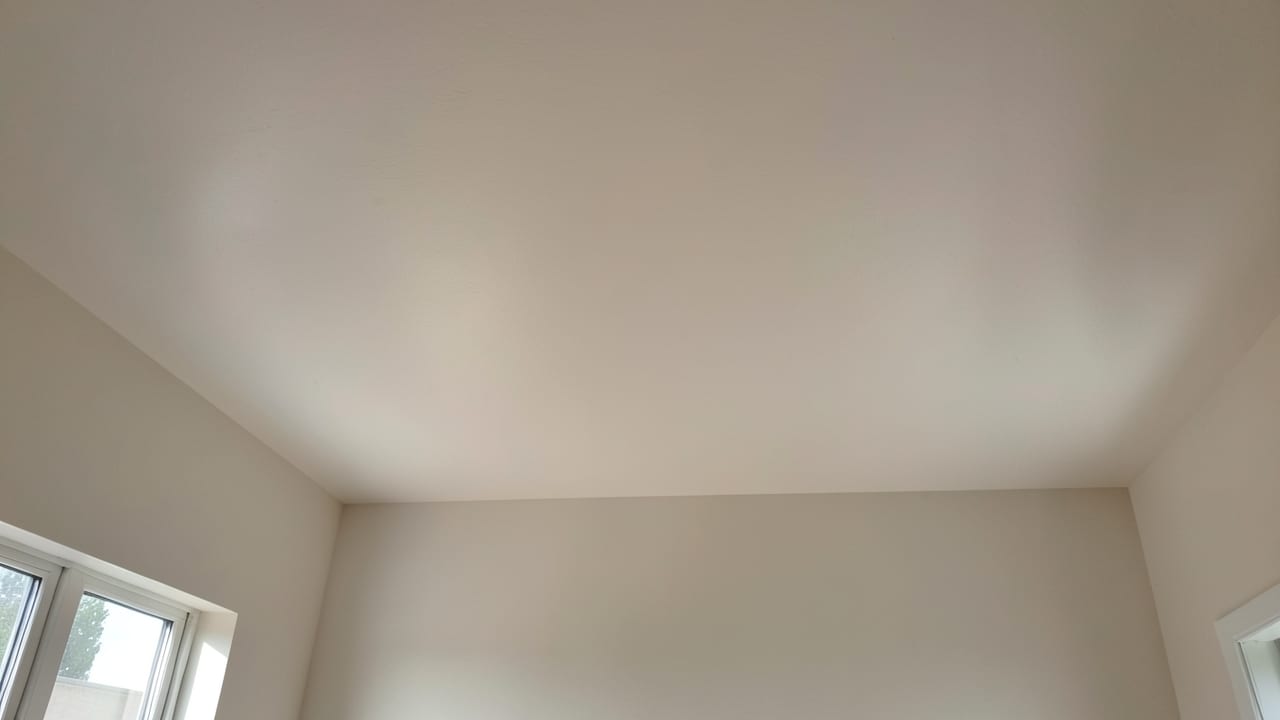
Ceiling Mold Removal
Professional removal of mold growth from ceilings, including containment and cleanup.
Ceiling mold in Clermont, FL, requires professional remediation to prevent spread and recurrence. Unlike surface cleaning, proper removal includes containment, material replacement where needed, and moisture source correction to help prevent regrowth.
Florida law requires licensed remediators to follow strict protocols for safety and effectiveness, especially in humid climates like Clermont’s.
We also handle HVAC Mold Remediation and Bathroom Mold Removal for Clermont properties.
When ceiling mold needs professional help
Ceiling mold often crosses the line from manageable to requiring professional intervention when it covers more than a small patch, especially if it reappears after cleaning.
Florida law treats mold colonies over 25 contiguous square feet as requiring a licensed remediator, but even smaller areas can signal deeper issues if the growth keeps returning.
Musty odors with no visible mold or mold near HVAC vents may indicate hidden growth in walls or ductwork, which professionals can locate and address safely.
DIY attempts can spread spores through the home, turning a contained problem into a larger one. Without proper containment, HEPA filtration, and moisture control, mold spores released during removal can settle in other rooms, creating new colonies.
Florida’s licensing rules also prohibit the same company from assessing and remediating the same property within a year, ensuring unbiased work.
Signs Professional Ceiling Mold Removal Is Needed
- Mold covers more than a small, isolated patch (Florida’s threshold: 25+ square feet).
- The mold keeps returning after cleaning, suggesting an unresolved moisture source.
- You notice a musty smell with no visible mold, or the smell worsens when the HVAC runs.
- The mold is on porous materials like drywall or insulation, which cannot be fully cleaned.
What affects cost and timeline for ceiling mold removal
The scope of the job—including size, mold type, and affected materials—directly impacts pricing. Black mold (Stachybotrys) often requires more extensive containment and cleanup than other types, which can increase costs. The need to replace materials like drywall or insulation, rather than just cleaning, also raises the total.
Timing depends on drying the structure thoroughly and waiting for clearance testing results, which can take days.
Hidden moisture sources, such as leaks behind walls or poor ventilation, may require additional work to prevent recurrence. Florida’s licensing rules mean you’ll pay for a certified remediator, but this ensures the job follows state-mandated safety and containment protocols.
Always ask for a written scope of work to avoid unexpected costs later.
Post-remediation steps to help prevent recurrence
Even after professional removal, mold can return if the moisture source isn’t fixed. Check humidity levels in the treated room regularly for the first year, aiming for 30–50% relative humidity.
Use dehumidifiers or fans in persistently damp areas like closets or basements. Outside, ensure downspouts direct water away from the foundation and that soil slopes downward to prevent water seepage.
Florida’s climate demands vigilance—condensation on windows, leaks in roofs or pipes, or poor airflow can all trigger regrowth. If mold reappears, it’s often a sign the original moisture issue wasn’t fully addressed. Clearance testing confirms the air and surfaces are safe, but ongoing monitoring helps catch problems early.
Run a small fan or dehumidifier in rooms prone to dampness (e.g., windowless bathrooms) to maintain airflow. Outside, redirect downspouts and slope soil away from the foundation to stop water from feeding hidden mold.
How ceiling mold removal works
Professional remediation follows a structured process to safely eliminate mold and prevent spread.
- 1Containment Setup
Plastic sheeting seals off the work area, and negative-air machines create a vacuum to keep spores from escaping. This step is critical to prevent cross-contamination in other rooms.
- 2Material Removal or Cleaning
Porous materials like drywall or insulation are cut out and bagged, while non-porous surfaces (tile, framing) are scrubbed and treated. Mold grows *into* porous materials, making replacement necessary.
- 3HEPA Filtration and Drying
HEPA air scrubbers run continuously during removal, and surfaces are vacuumed with HEPA-filtered tools to capture spores. Industrial dehumidifiers dry framing and subfloors to prevent regrowth.
- 4Clearance Testing
An independent lab tests air and surfaces post-remediation to confirm spore levels are back to normal. This step ensures the job meets Florida’s safety standards before containment is removed.
- 5Moisture Source Correction
Fixing leaks, improving ventilation, or adjusting humidity helps prevent future mold. Without addressing the root cause, visible mold may return within months.
Frequently asked questions
Can I clean ceiling mold myself if it’s a small area?
Small patches (under 10 square feet) *can* be cleaned with detergent, water, and a HEPA vacuum, but only if the mold isn’t black or recurring. Florida law requires licensed remediation for colonies over 25 square feet, and DIY risks spreading spores if containment isn’t used.
Why does the remediation crew cut out drywall instead of just cleaning it?
Mold penetrates porous materials like drywall, so cleaning alone leaves spores behind. Cutting out affected sections and replacing them is the only way to fully remove the colony. Non-porous surfaces (tile, metal) can be sanitized instead.
How long until the treated area is safe to use?
Drying and clearance testing can take 3–7 days, depending on the size and moisture levels. The independent lab test must confirm spore levels are normal before the containment is removed, so don’t reoccupy the space until you receive clearance.
What should I do if mold keeps coming back after removal?
Recurrence usually means the moisture source wasn’t fixed. Check for leaks, poor ventilation, or high humidity in the room. A follow-up assessment by a licensed mold assessor (not the remediation company) can identify hidden issues.
Where Clermont sits, and what the Census lists nearby
Clermont sits in Florida, and the closest places listed in the U.S. Census Gazetteer are Minneola (4.8 miles north), Oakland (5.2 miles east), Montverde (5.5 miles northeast), Ferndale (6.2 miles north). Within 25 miles of Clermont the same source lists 65 distinct incorporated places and census-designated places.
Those figures matter for ceiling mold removal because they are straight-line distances between Census coordinate points: road mileage between Clermont and Minneola runs longer than the 4.8 miles shown, which is why quotes for the same job differ between towns that look close together on a map.
Source: U.S. Census Bureau Gazetteer.
See Tavares, FL for more, or discover our full Clermont-area coverage by category for our complete lineup.
Ready to get started?
Talk to a local mold remediation pro in Clermont — get a written quote.
Other Mold Remediation Services in Clermont
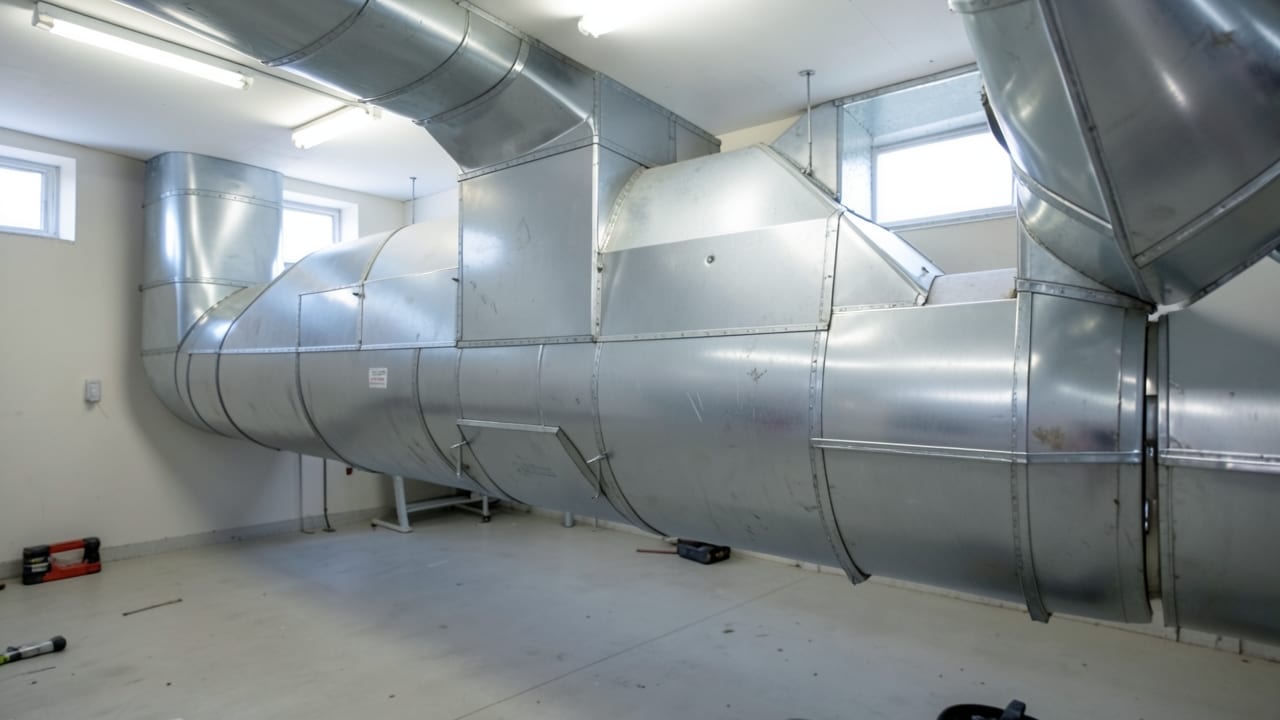
HVAC Mold Remediation in Clermont, FL
HVAC and ductwork mold remediation in Clermont, FL — mold growing inside the air handler or duct system, spreading through every vent.
Learn More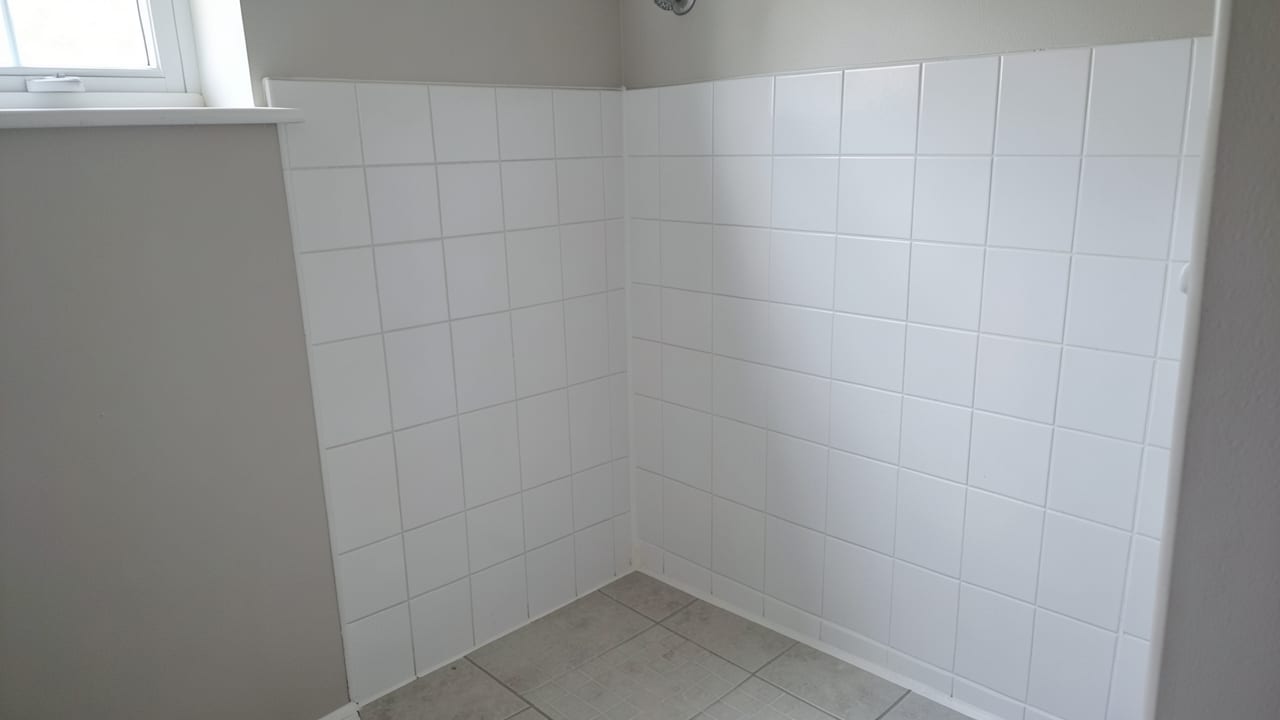
Bathroom Mold Removal in Clermont, FL
Professional assessment and removal of mold in bathrooms to restore a safe, clean environment.
Learn More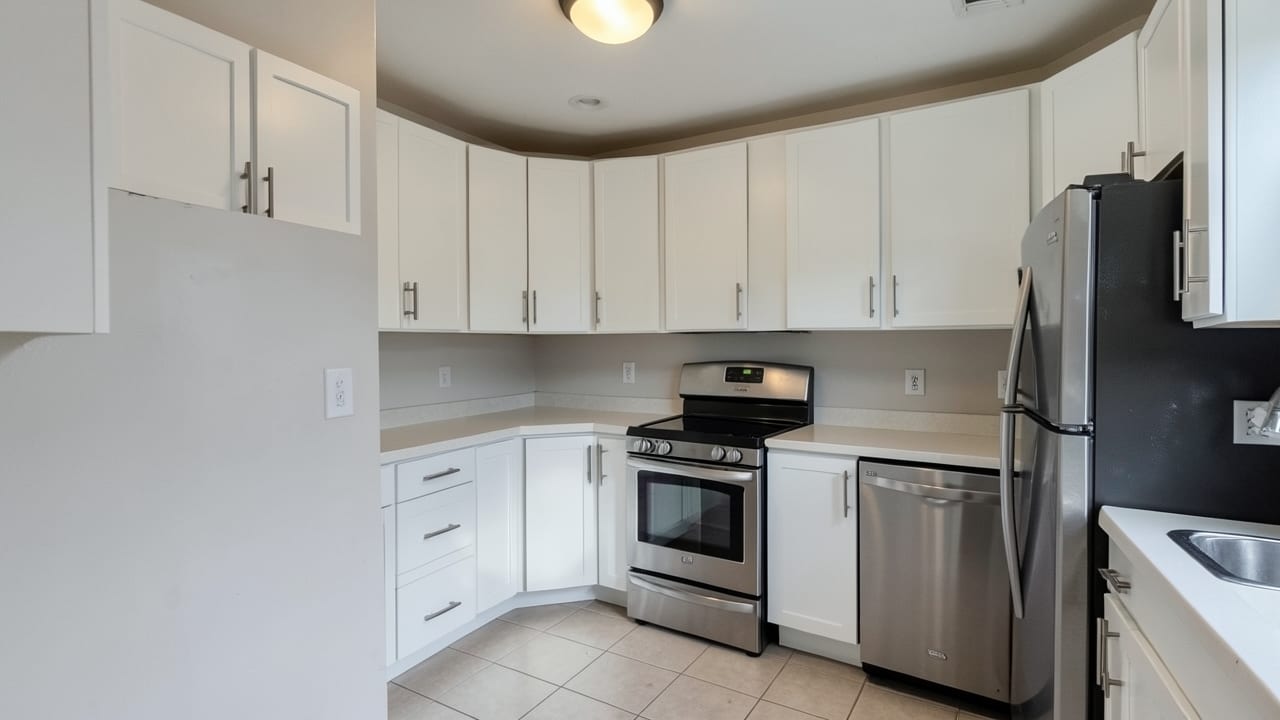
Kitchen Mold Cleanup in Clermont, FL
Professional assessment and removal of mold in kitchen areas to restore a safe, clean environment.
Learn More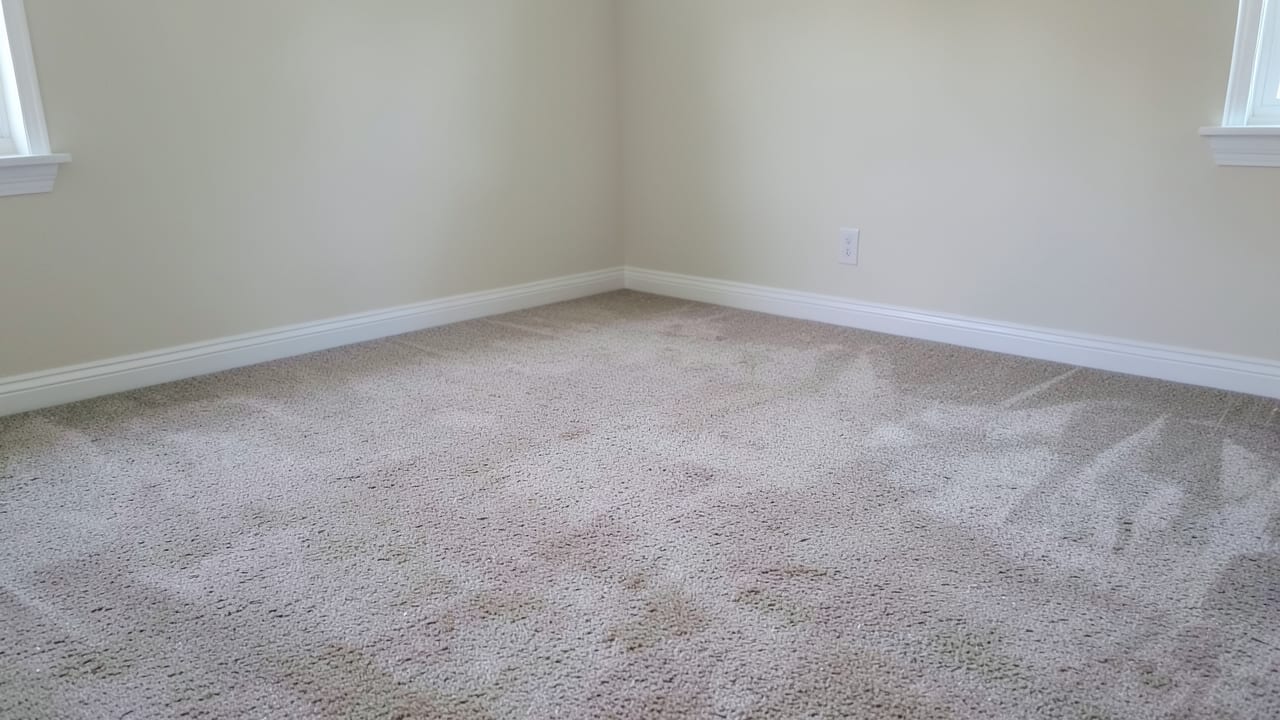
Carpet Mold Treatment in Clermont, FL
Professional assessment and removal of mold growth from carpets to restore a safe indoor environment.
Learn More
Concrete Mold Remediation in Clermont, FL
Professional removal and treatment of mold from concrete surfaces in homes.
Learn More
Garage Mold Removal in Clermont, FL
Professional assessment and removal of mold growth in garages to restore a safe, clean space.
Learn MoreCommon Questions About Mold Remediation in Clermont
Everything you need to know about mold remediation services in Clermont
How much does Ceiling Mold Removal typically cost in Clermont, FL?
Why does Clermont, FL's humidity make mold a bigger risk than in drier regions?
Is it safe to stay in the home during mold remediation?
Can small mold problems be handled without hiring anyone?
What's the actual difference between mold removal and mold remediation?
Is a final clearance test part of a typical mold remediation job?
Need Mold Remediation in Clermont?
Connect with local providers in Clermont for a detailed quote.
⏰ We answer your call • Serving all of Clermont and surrounding areas